The Numbers Behind the Dispute
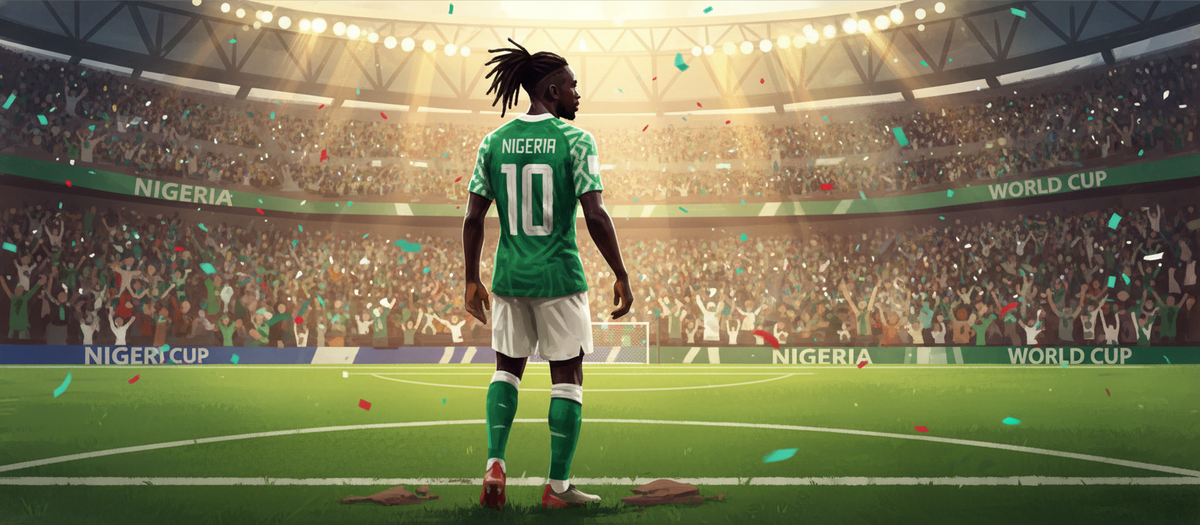
Nigeria's bid to reach the 2026 FIFA World Cup now rests entirely outside the pitch, following the Nigeria Football Federation's (NFF) formal complaint to FIFA in December 2025. The dispute centres on DR Congo's penalty shootout victory over the Super Eagles in November's African play-off — a result that sent the Leopards through to an intercontinental qualifier and left Nigeria facing elimination. At the heart of the NFF's case are two players: Aaron Wan-Bissaka and Axel Tuanzebe, both former England youth internationals who switched allegiance to DR Congo. The NFF argues that Congolese domestic law prohibits dual citizenship, meaning these players held European passports that should have rendered them ineligible under their own nation's legal framework. Both players went on to feature for DR Congo at the 2025 Africa Cup of Nations in Morocco, where Nigeria claimed a bronze medal — a result that underlined the Super Eagles' competitive standing even as their World Cup campaign collapsed.
The stakes are quantifiable. The 2026 tournament in Canada, Mexico, and the United States will be the first expanded edition, featuring 48 teams — up from 32. DR Congo, if their qualification stands, would enter Group K alongside Portugal, Uzbekistan, and Colombia, marking their first World Cup appearance since 1974, when they competed as Zaire — a gap of 52 years. For Nigeria, failure to overturn the result means missing a second consecutive World Cup cycle, a drought not seen since the period before their breakthrough qualification in 1994. FIFA has confirmed the case is under review but has offered no timeline for a verdict, leaving both federations and their fanbases in a prolonged state of uncertainty.
Precedent, Process, and Possible Outcomes
FIFA's eligibility statutes allow a player to switch national associations once, provided they submit a written request approved by the players' status committee and hold a passport for the new nation. Crucially, FIFA's rules do not prohibit a player from holding a second passport — a provision that creates a gap between the governing body's framework and the domestic laws of countries like DR Congo, where dual nationality is not legally recognised. The NFF's argument targets this gap directly, contending that FIFA may have received incomplete or misleading documentation when clearing the disputed players. If upheld, such a finding would not only affect this specific case but could trigger wider scrutiny of player eligibility documentation across African football, where similar legal discrepancies exist in multiple nations.
Three outcomes are realistically on the table. First, FIFA could dismiss the complaint for insufficient evidence, leaving DR Congo's March intercontinental play-off against either New Caledonia or Jamaica intact. Second, FIFA could find procedural breaches in the clearance process and issue administrative sanctions — fines or warnings — without altering match results. Third, and most consequentially, FIFA could impose sporting sanctions such as a match forfeit, effectively reversing the play-off outcome and reinstating Nigeria. Historical precedent suggests FIFA tends to apply its own regulations over domestic law, but cases involving alleged falsification or deliberate misrepresentation of documents have previously led to forfeits. The Congolese Football Federation has dismissed the challenge as an attempt to "win via the back door," while the NFF insists no ruling has yet been communicated to either party. Until FIFA delivers its verdict, the data points to one clear conclusion: both nations' World Cup fates remain suspended in regulatory limbo.